
Baccarat Tie Bet Odds Explained for Australian Players
When you sit down with baccarat, the tie wager looks like a tidy shortcut to a bigger payout, but the maths behind it rarely rewards that instinct. I’ve spent years helping independent professionals structure research and digital workflows so decisions rest on clear evidence rather than hopeful shortcuts, and the same discipline applies here. The tie bet pays generously on paper, yet its true odds sit well below the advertised return, which is why understanding the numbers matters before you commit chips. If you want a fair go at reading the table properly, start by separating the display payout from the actual probability.
How the Tie Bet Pays and What the Numbers Mean
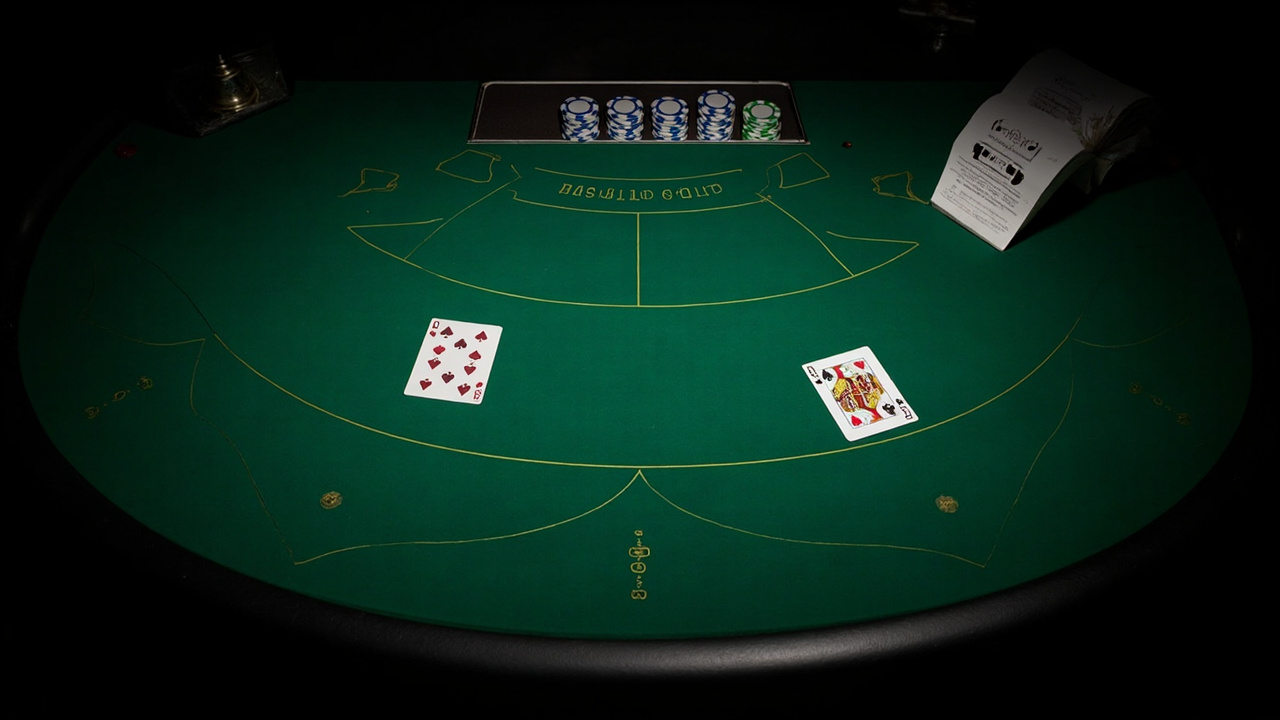
The tie bet returns eight to one or sometimes nine to one depending on the table, which sounds attractive until you count the frequency of actual ties. Across a standard eight-deck shoe, roughly one in every thirteen hands finishes level, so the house edge climbs to around fifteen to sixteen per cent on the eight-to-one version. That gap between the displayed payout and the real likelihood is the core of baccarat tie bet odds explained, and it’s the same kind of evidence-first thinking I apply when designing AI tools that help professionals sort signal from noise. You don’t need a spreadsheet to see the issue, just a clear read on how often the banker and player hands land on identical totals.
Where the Wager Fits in a Real Session
Most players encounter the tie option as a side bet printed on the layout, and it’s easy to click or place a chip there during a busy arvo session. The practical walkthrough starts when you register and verify your identity, because Australian operators require age checks and location confirmation before any first deposit clears. Once your account is active, you load funds in AUD, activate any welcome offer that matches your first deposit, and step into the live or digital baccarat room. If you want a closer look at how those signup and first-play steps line up with current Australian operators, you can read through the details at https://thepokies-bonus-au.com and compare the verification flow against your own eligibility. The tie bet itself remains optional throughout, so you can test it on a single hand or leave it alone while you watch the main bets settle.
How to Approach the Tie Wager Without Overexposing Your Bankroll
A measured approach treats the tie wager as a rare side bet rather than a default position, because the edge compounds quickly across repeated hands. Step one is to set a fixed bankroll and decide in advance how many hands you’ll observe before placing any tie chips. Step two is to watch the shoe long enough to see how often the dealer actually calls a tie, which usually runs well below the payout’s implied frequency. Step three is to cap the stake on the tie line to a small fraction of your overall session limit, so a string of losses doesn’t pull your main bets out of shape. Step four is to track your results in a simple note on your phone, because a clear record beats gut feeling when you’re deciding whether to keep pressing the side wager.
Reading the Table, the Payout, and the House Edge
The clearest way to judge the tie bet is to compare its payout against the probability of a level finish, then decide whether that gap suits your style. An eight-to-one return on a result that lands about seven and a half per cent of the time leaves the house with a heavy advantage, while a nine-to-one variant trims that edge only slightly. I’ve seen professionals treat similar risk-reward gaps by mapping the actual outcomes first and only then weighing the advertised upside, which is exactly how you should read this side bet. If you’re comparing live dealer tables and digital versions side by side, the tie rules and payout structure stay consistent enough that the same probability check applies across both. Sure thing and safe bet both reflect gambling confidence, but neither phrase changes the underlying maths, so keep your expectations anchored to the numbers rather than the wording.
A practical session keeps the tie bet in its place as an occasional side wager, with your main attention on the banker and player lines where the edge sits far lower. You can still place a few chips on the tie when the table feels steady, provided you’ve already set your limits and verified your account properly. No worries if the side bet doesn’t land often, because the point is to understand the odds before you commit rather than chase a big payout that rarely shows up. Treat the numbers as your baseline, keep your stakes measured, and let the table do what it does without letting the advertised return cloud the real probability.